
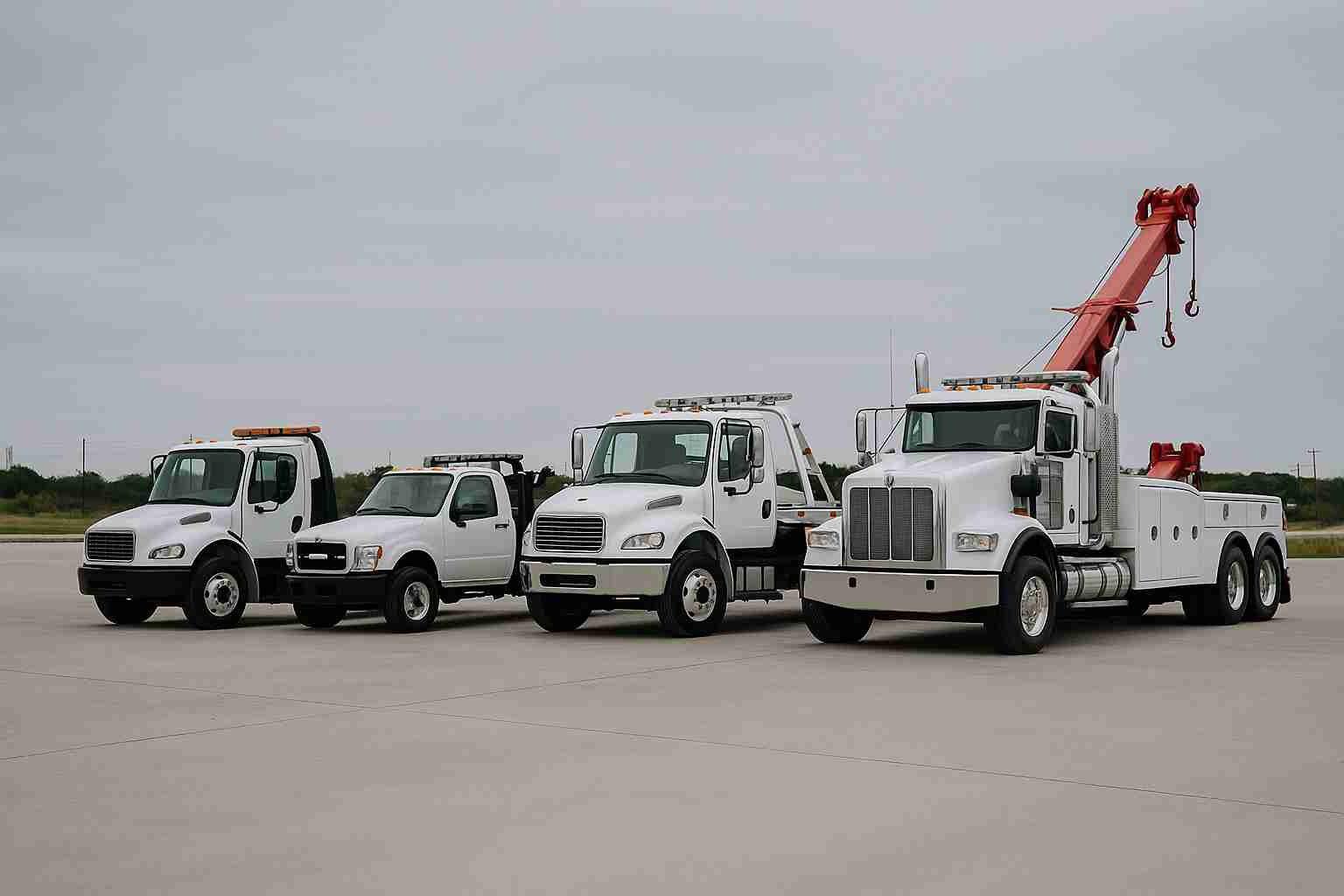
When your vehicle suddenly breaks down, getting quick and reliable help becomes very important. Whether it’s a flat tyre, engine failure, road accident, or commercial vehicle issue, professional towing services help move your vehicle safely.
Many people think all tow trucks are the same, but different recovery situations require different types of recovery vehicles. At All Towed Up, trained recovery operators use various tow trucks depending on the condition, size, and type of vehicle.
Here’s a simple guide to the different types of tow trucks used for vehicle recovery.
Flatbed Tow Trucks
Flatbed tow trucks are one of the safest and most commonly used recovery vehicles in the UK.
These trucks have a large flat platform that tilts down so the vehicle can be loaded completely onto the truck. Once loaded, all four wheels stay off the road during transport.
Flatbed towing is ideal for:
- Accident-damaged cars
- Luxury vehicles
- Low-clearance sports cars
- Vehicles with major mechanical faults
Because the vehicle is fully lifted, there is less chance of extra damage during transport.
If you need safe roadside recovery or vehicle transport, Vehicle Recovery Services can arrange professional flatbed towing support.
Wheel-Lift Tow Trucks
Wheel-lift tow trucks are commonly used for quick and short-distance recoveries.
These trucks use a metal lift system to raise either the front or rear wheels of the vehicle while the other wheels stay on the road.
They are often used for:
- Emergency roadside recovery
- Illegally parked vehicles
- Fast urban towing
- Small breakdown situations
Wheel-lift trucks are smaller and easier to move through narrow streets or busy traffic areas. They are also faster for simple recovery jobs.
Integrated Tow Trucks
Integrated tow trucks are designed for larger and heavier vehicles such as buses, vans, and lorries.
These recovery vehicles have stronger lifting systems and extra axles for better balance and control.
They are commonly used for:
- Commercial vehicle recovery
- Fleet vehicle transport
- Bus and van breakdowns
- Heavy roadside recovery
Businesses often depend on fast recovery services to avoid delays and downtime. Professional Commercial Breakdown Recovery Services help companies move damaged or broken-down vehicles safely and quickly.
Hook and Chain Tow Trucks
Hook and chain tow trucks are one of the older towing methods.
They use strong chains wrapped around the vehicle frame or axle to tow the vehicle behind the truck.
Today, these trucks are mostly used for:
- Scrap vehicles
- Salvage cars
- Severely damaged vehicles
Modern vehicles can sometimes get damaged by chains, which is why this method is less common for normal recovery jobs.
Heavy-Duty Recovery Trucks
Heavy-duty recovery trucks are built for large commercial vehicles and major recovery operations.
These trucks come with:
- Powerful winches
- Strong lifting equipment
- Reinforced towing systems
- High towing capacity
They are mainly used for:
- HGV recovery
- Bus recovery
- Construction vehicle transport
- Major motorway breakdowns
Heavy-duty recovery vehicles help clear roads quickly and improve safety during large accidents or traffic incidents.
Enclosed Vehicle Transport Trucks
Enclosed transport trucks are specially designed to protect vehicles during transportation.
Unlike open trailers, these trucks fully cover the vehicle to protect it from:
- Rain and bad weather
- Dust and dirt
- Road debris
- Stone chips
This type of transport is commonly used for:
- Classic cars
- Sports cars
- Prestige vehicles
- Exhibition vehicles
Owners of high-value cars often choose enclosed transport for extra protection and peace of mind.
Accident Recovery Vehicles
After a road accident, recovery companies may use different tow trucks depending on the damage and situation.
Some vehicles may require:
- Immediate roadside recovery
- Secure towing
- Vehicle storage
- Salvage transport
Professional recovery operators know how to move damaged vehicles safely without causing further problems.
For fast emergency support, Accident Recovery Services provide quick and reliable help for roadside accidents.
Why Towing Coverage Matters
Many drivers only think about towing coverage after a breakdown happens.
Depending on your insurance or breakdown policy, towing coverage may include:
- Roadside assistance
- Local vehicle recovery
- Long-distance towing
- Accident recovery
- Vehicle transportation
Some policies only cover short-distance towing, while others provide nationwide recovery support. It’s always a good idea to check your coverage before an emergency happens.
You can also learn more about recovery support and roadside assistance through All Towed Up Services.
Choosing the Right Recovery Company
Every recovery situation is different, so choosing an experienced recovery company is important.
A professional recovery team will check:
- Vehicle size and weight
- Level of damage
- Road conditions
- Safety risks
- Required towing equipment
Experienced recovery operators can quickly send the right tow truck for the job.
Drivers looking for trusted recovery support often choose All Towed Up Nottingham Car Recovery Services because they offer:
- 24/7 emergency assistance
- Fast response times
- Professional recovery equipment
- Trained recovery operators
- Reliable roadside support
Final Thoughts
Different types of tow trucks are used for different recovery situations. Using the right recovery vehicle helps protect your car and ensures safe transportation.
From flatbed tow trucks and wheel-lift systems to heavy-duty recovery vehicles and enclosed transport trucks, every towing method has its own purpose.
Whether you need roadside assistance, accident recovery, commercial vehicle transport, or enclosed vehicle shipping, working with experienced professionals can make a stressful situation much easier.
For reliable towing services UK drivers can trust, All Towed Up provides professional recovery support for cars, vans, commercial vehicles, and emergency roadside situations.